Ideas worth sharing.
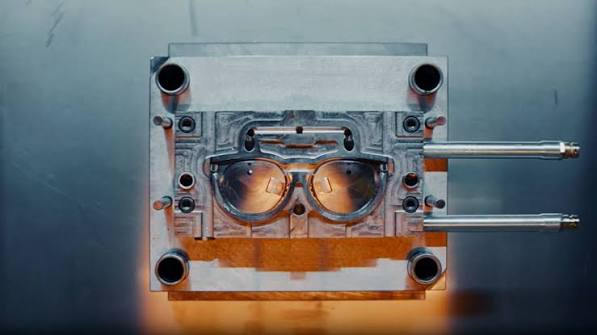
IXI wants to make glasses intelligent without making them look intelligent
Glasses sit in the middle of the face all day and shape how others read us before we have said hello. Finland's IXI is building adaptive optics into the lenses — and now faces the harder task: making advanced technology look like pure style.

Why investors judge your brand before your numbers
Before a founder opens a deck, an investor has already formed an impression. It arrives in the name, the visual language, the way the company describes what it does. Experienced investors read brand as signal.
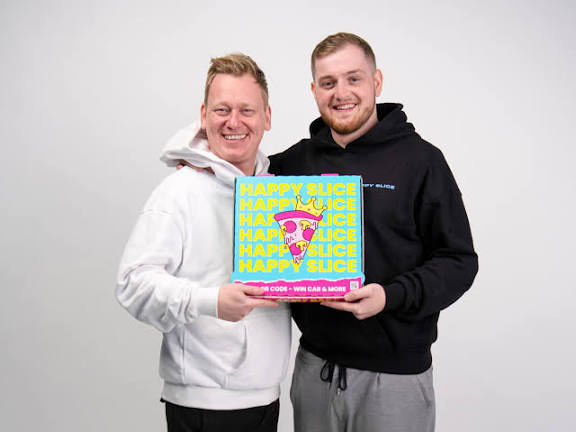
Lanch has turned influencers into restaurateurs — but the food has to outlive the fame
An influencer's followers can fill a restaurant for a week. What brings a guest back is something else entirely. Berlin-based Lanch builds food brands together with creators — and in doing so tests where attention ends and a brand begins.

Party Leaders' Personal Brands – Elisabeth and the Problem of Recognition
Elisabeth Thand Ringqvist enters her first general election campaign with a task the other party leaders are spared: voters have to learn who she is first. That makes consistency more valuable than variation — in colour, imagery and tone.
Carv Hands the Recruiter's Dullest Work to AI
When a candidate's first contact with an employer is an AI agent, tone of voice, pace and rejection all become brand questions. Amsterdam-based Carv automates recruiter admin for companies like Carrefour and DHL. The next step is letting candidate experience carry as much weight as efficiency.

Party Leaders' Personal Brands — Nooshi and the Power of Being Clear
Nooshi Dadgostar has built something few politicians manage: the sense that she actually means what she says. Ahead of the 2026 election she is, paradoxically, less visible, as the Left Party lets policy take precedence over its leader. A brand strong enough can afford to step aside.
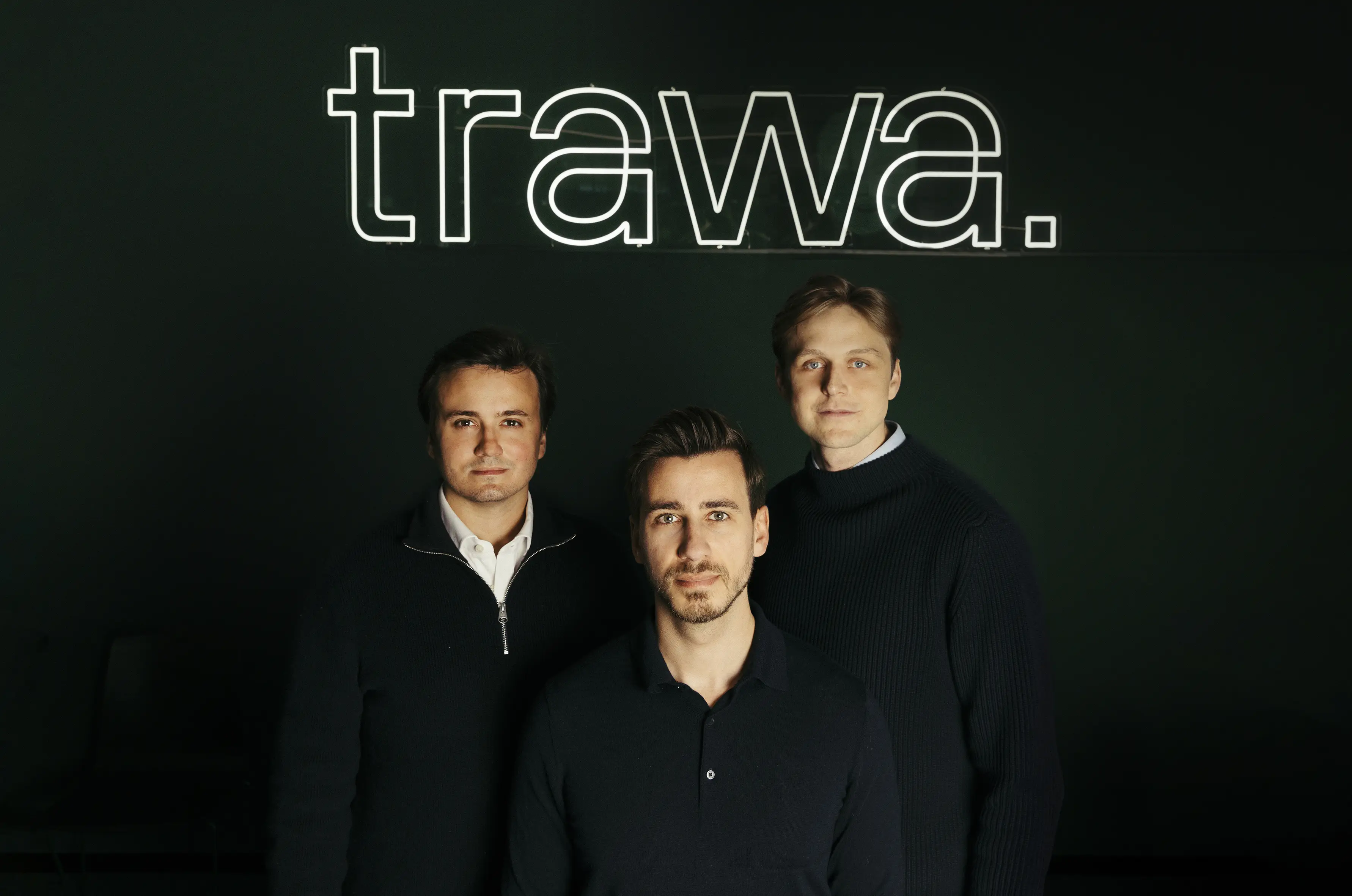
trawa sells electricity to businesses — its brand needs to be bigger than the bill
Electrons are identical whatever the supplier — understanding is what the customer pays for. Berlin's trawa has built a business on making the energy market manageable for smaller companies, but "AI plus sustainability" is no longer a position.
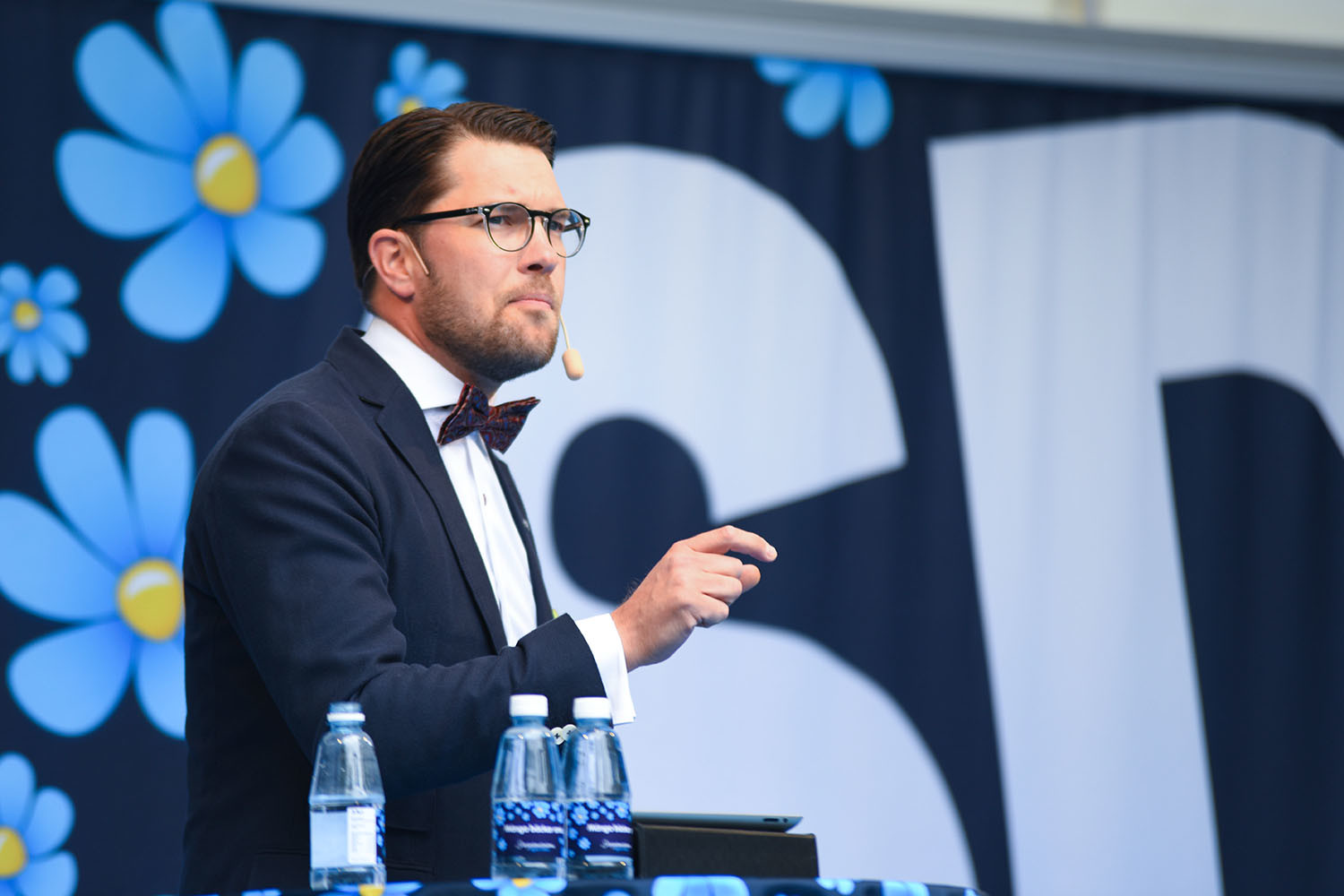
Party Leaders and Personal Brands — Jimmie Åkesson and the Language of Confrontation
The suit says institution, the language still says opposition. Jimmie Åkesson has moved from the margins to the governing bloc without losing recognisability — and the gap between how he looks and how he speaks is now his strongest asset. The question is how long it holds.
The Best Idea in the World Is Worthless If Nobody Wants It
There is a particular condition that seems to affect entrepreneurs. I call it brilliant-idea syndrome.
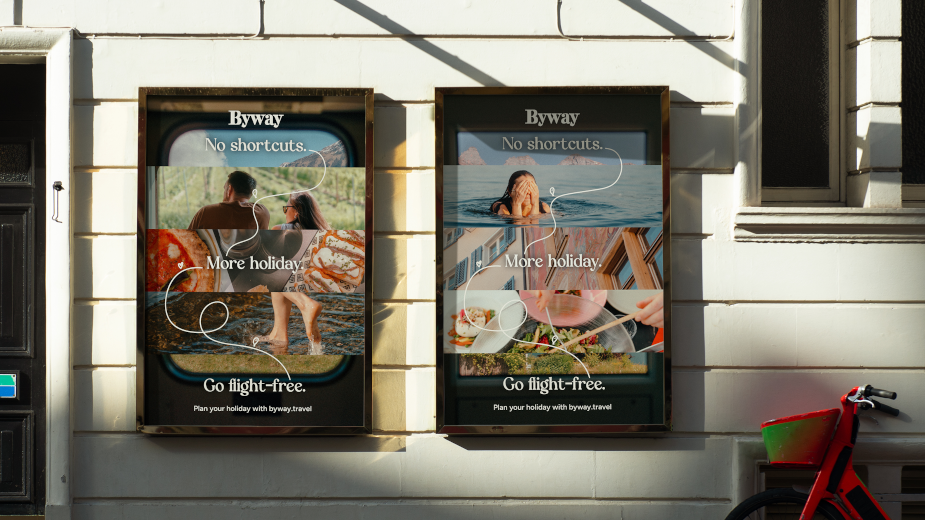
Byway Wants Us to Travel Without Flying — and Make the Journey the Point
The British travel company Byway sells flight-free holidays. It wins not on the climate argument but by making the train, the ferry and the route there the thing you actually pay for — the curation is the brand, and the question is whether it survives growth.
The brand foundations every founder needs
Most founders build a brand the way they build a product: by adding features. A name, a logo, a tagline. But brand is not a stack of assets — it is a set of decisions about who you are for and what you will never compromise.
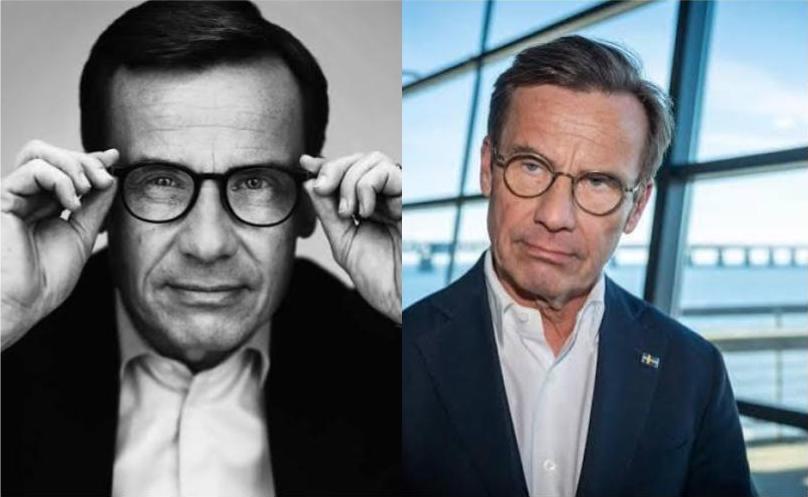
Party leaders' personal brands – Ulf and the round glasses
Ulf Kristersson's visual language says exactly what he wants to be: prime minister. Dark suit, round glasses and measured body language build authority — but that same control makes it harder for voters to know the person behind the role. The challenge isn't the wardrobe.
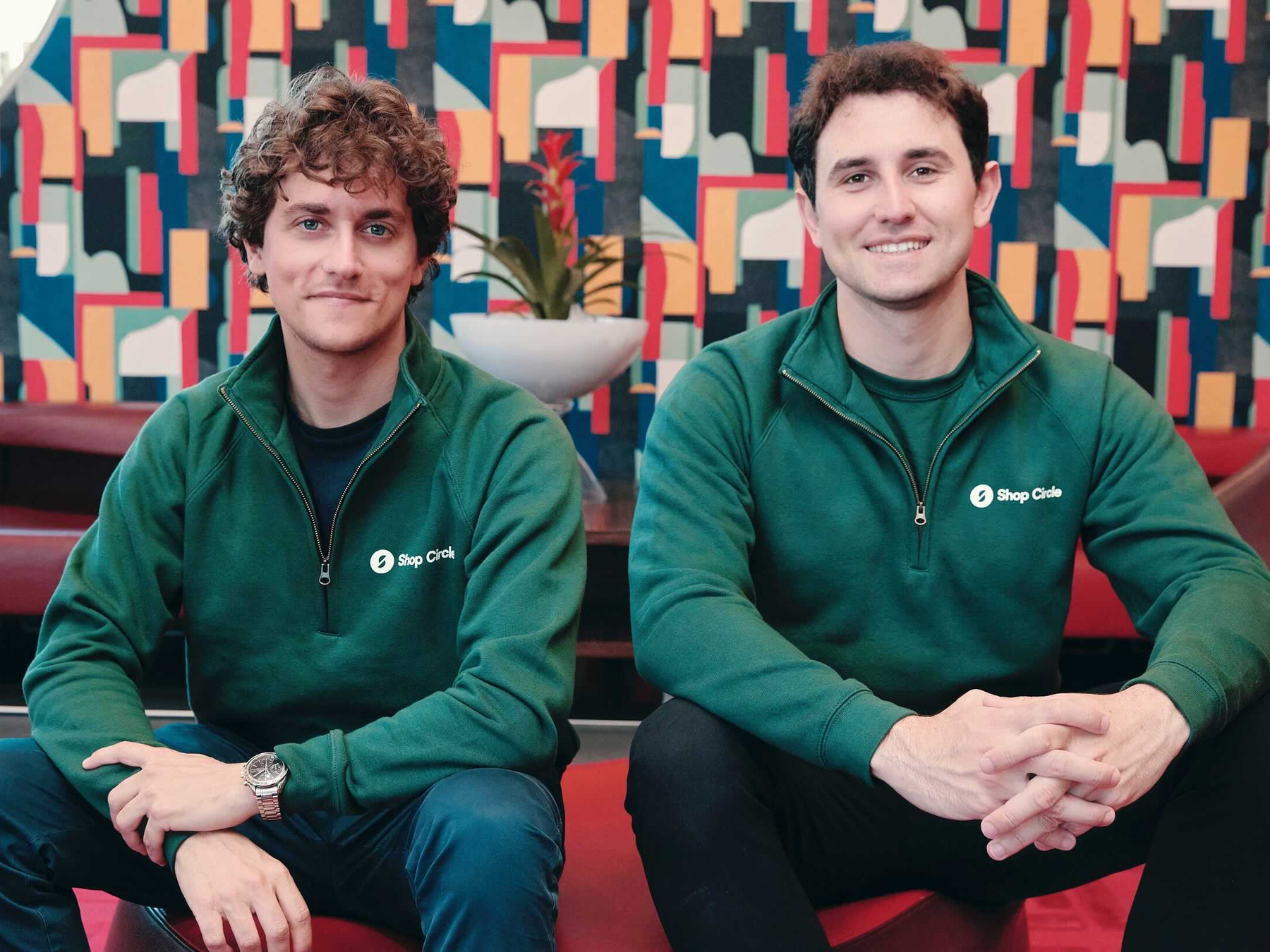
Shop Circle Is Buying Software Companies at Speed — the Hard Part Is the Branding
Shop Circle has acquired software companies at pace and built an impressive portfolio. The harder task comes next: explaining what the name Shop Circle actually guarantees every time it appears beside an acquired brand. Without that answer, the circle is only an ownership structure.
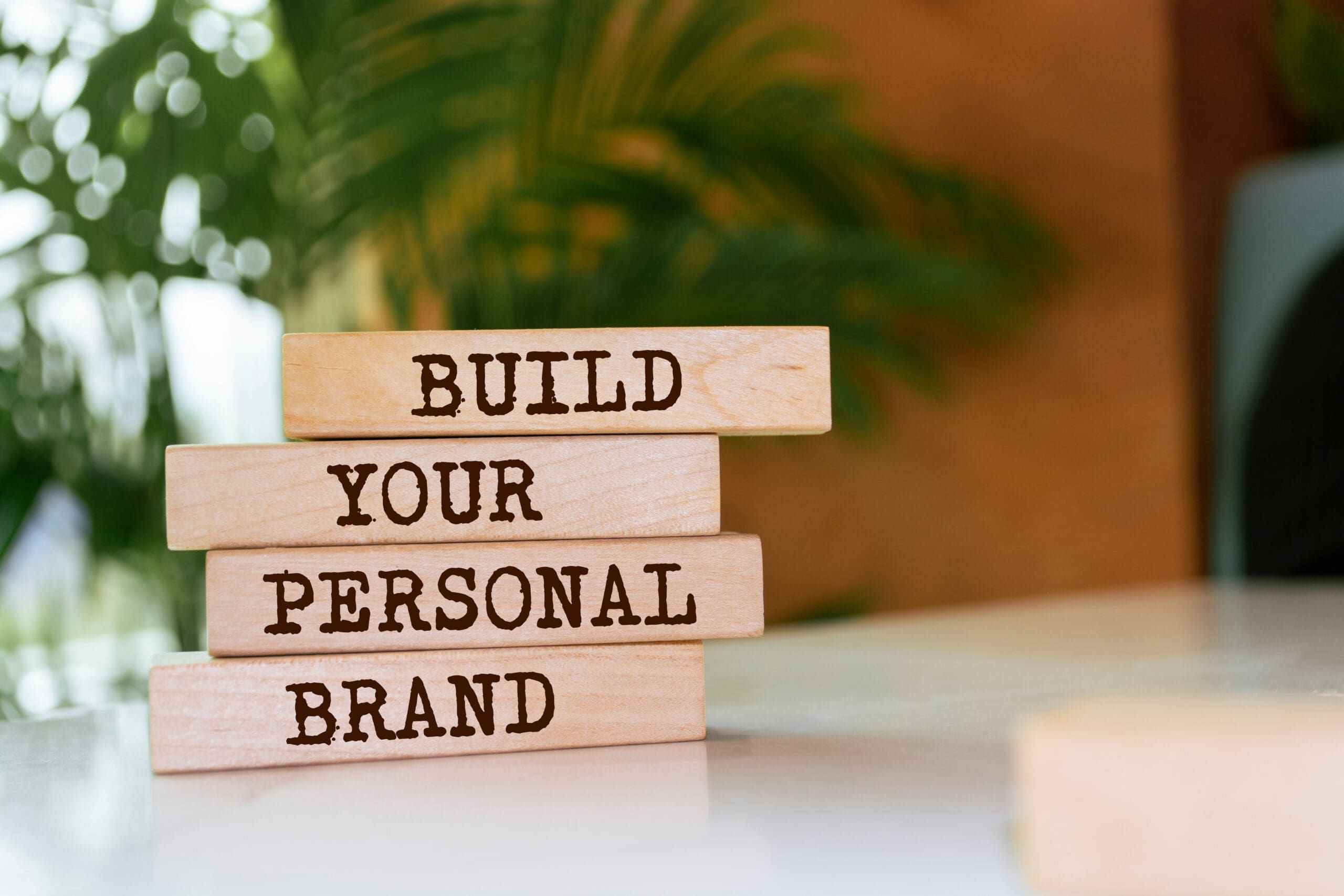
Personal branding for founders who hate self-promotion
Most founders who say they hate self-promotion are not allergic to visibility. They are allergic to performing a version of themselves they do not recognise. The distinction matters, because the cure is different.
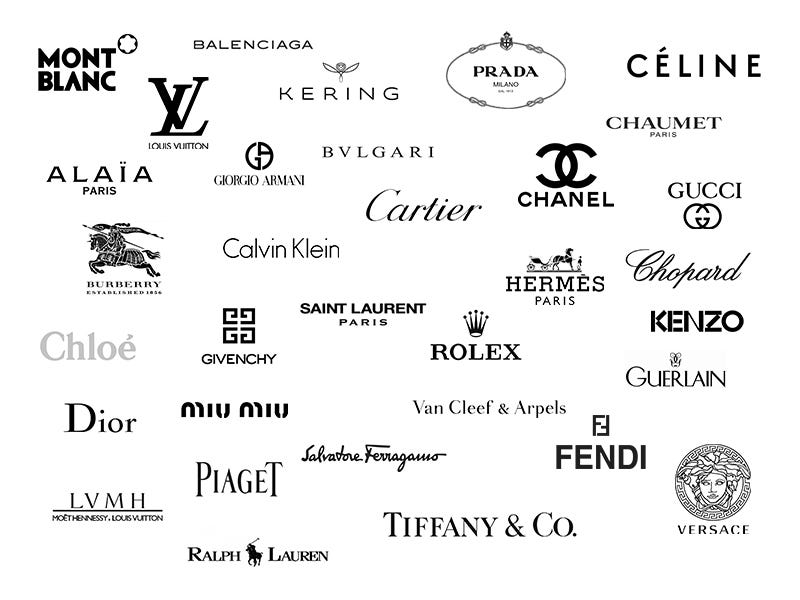
What actually makes a brand feel premium
Most brands that want to feel premium spend their way toward it — better photography, heavier paper, a refined typeface. Some of it works. Most of it doesn't. What actually creates the feeling is harder to see, and harder to copy.
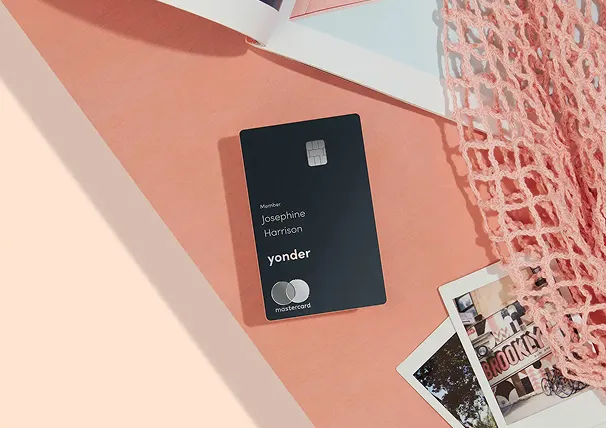
Yonder Wants to Make the Credit Card Cool Again — and the Idea Is Better Than It Sounds
UK fintech Yonder sells access to restaurants, travel and experiences instead of cashback and air miles. It's a financial brand built on curation rather than interest. The model is growing fast; the question is whether the curation survives more customers, markets and revenue targets.

Influence isn’t about numbers. It’s about narrative.
Most brands approach influence backwards — starting with audience size and working inward. For premium brands, the logic must run the other way: begin with your story, and find the person who already lives inside it.

What Marks & Spencer's Oxford Street Test Store Says About Branding
Marks & Spencer has rebuilt its Oxford Street store as a testing ground rather than another flagship. New ideas are tried there before they reach the rest of the chain. Branding deserves the same timing — early, while changing your mind is still possible.
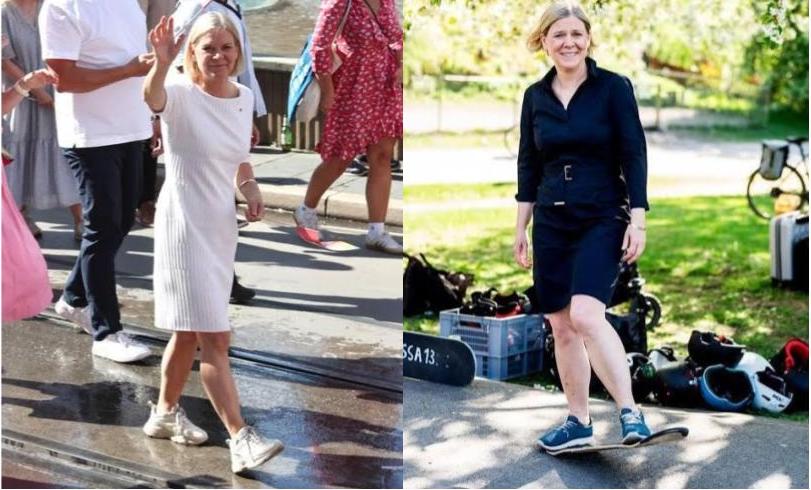
Party leaders' personal brands – Magdalena and the sneaker
Magdalena Andersson's style is almost provocatively uncomplicated — and that is a deliberate choice. Navy, blazers and the same haircut year after year signal competence, order and reliability. The challenge ahead of the election lies not in the wardrobe, but in the warmth.
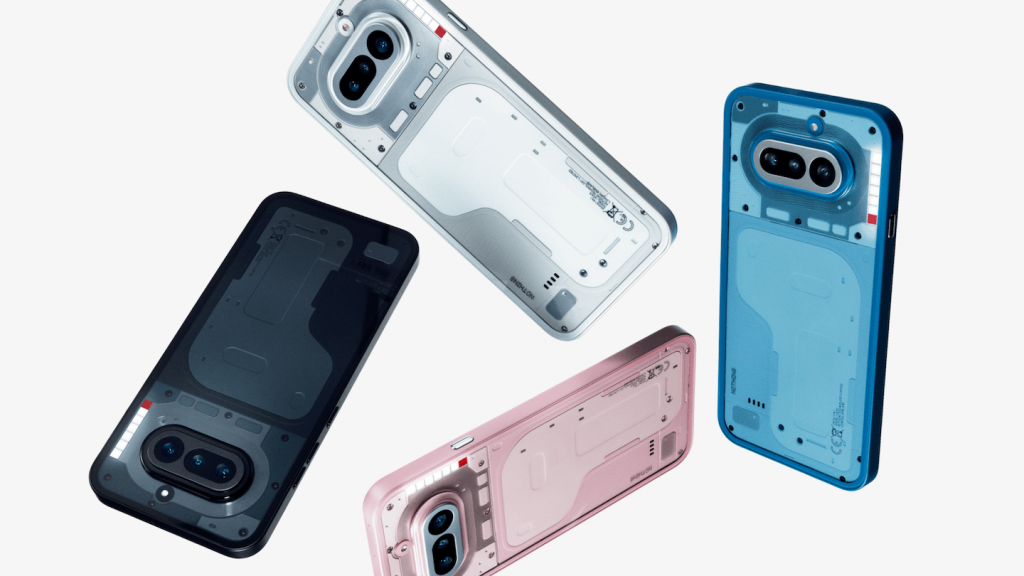
Nothing – the startup that made the mobile phone interesting again
In a market where most smartphones look alike, Nothing has made difference its business model — and it shows in both revenue and recognition. Transparent design, light-based interfaces, a community that shapes the products. The question is what happens to that distinctiveness at scale.
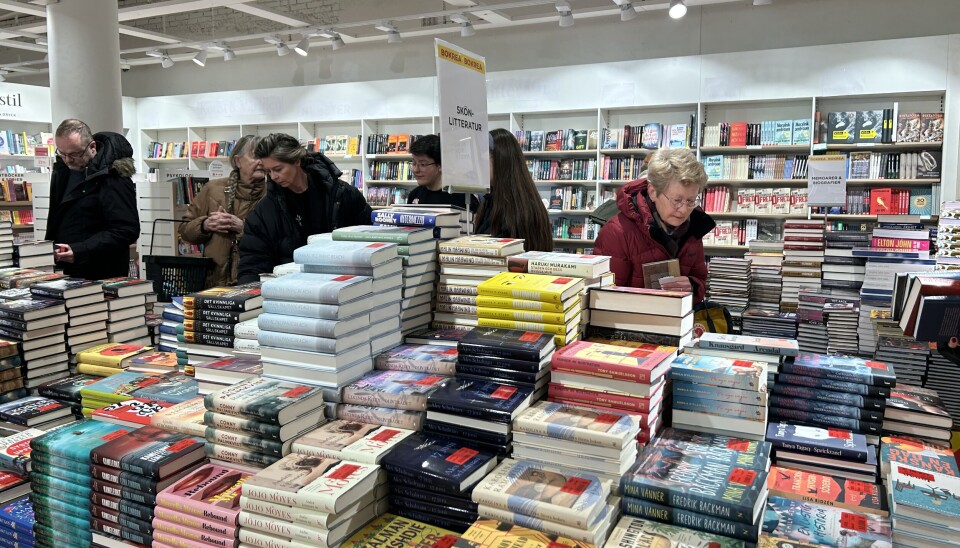
Adlibris Isn't Opening a Store. It's Opening a Destination.
Adlibris calls its coming flagship in Stockholm a destination, not a store. The word choice isn't cosmetic — it moves the whole position from transaction to book culture. And it says something about what digital brands should do when they move into physical space.

Don´t fit in, step forward
Most people dress and present themselves to avoid the wrong reaction. That is a strategy for invisibility, not impact. The real work is learning to translate who you actually are into how you show up — consistently, deliberately, and on your own terms.
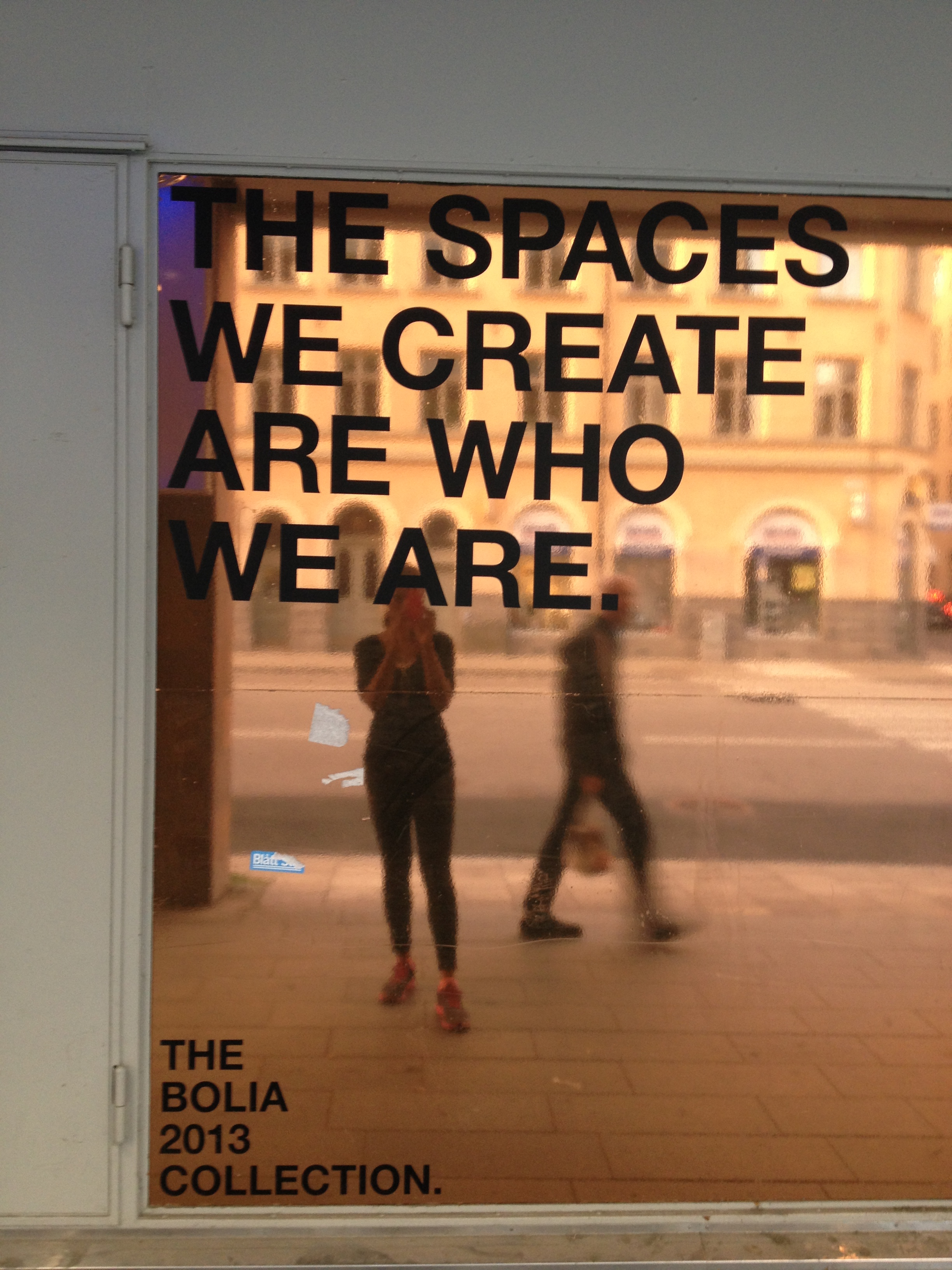
Environments that market themselves
The most powerful PR a brand can generate is the kind it never has to ask for. When a space is built correctly, people document it without prompting — and the distribution follows.

Birkenstock Builds Its Stores From the Same Materials as Its Shoes
A strong brand should be recognisable even with the logo removed. Birkenstock's new stores are built from cork, felt and leather — the same material world as the products. The store doesn't just sell Birkenstock; it feels like Birkenstock.
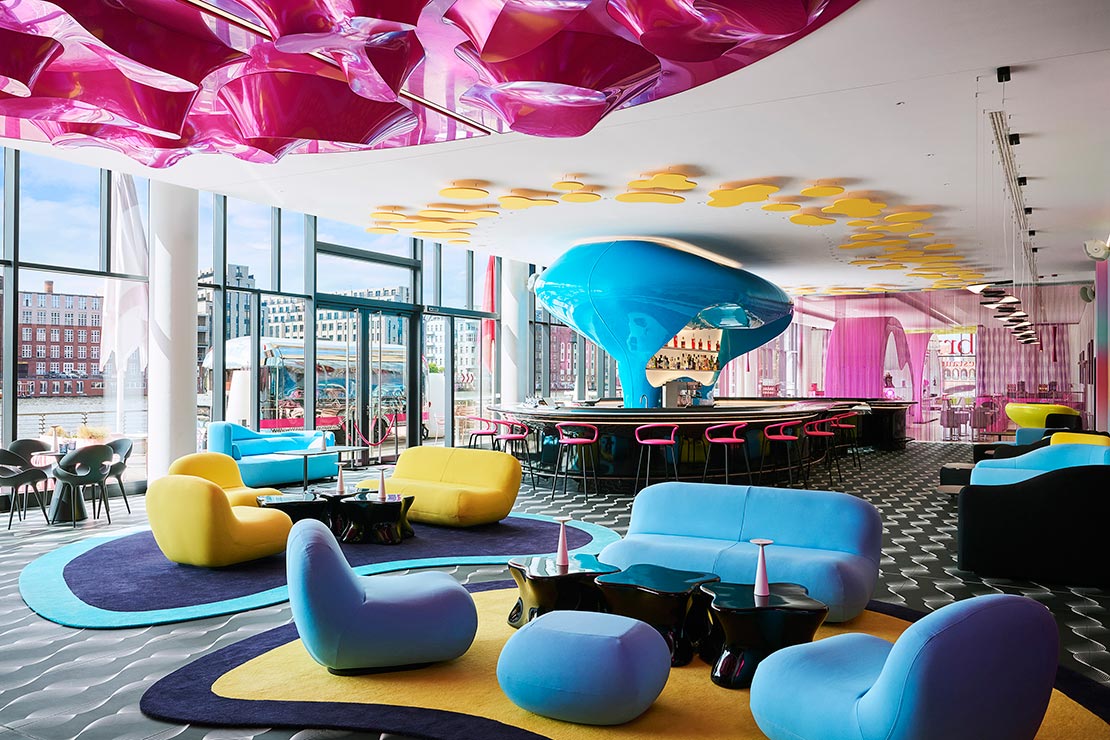
Concept branding in 3D
Some brands are not experienced through a logo. They are experienced through a room, a scent, a quality of light. When every element of an encounter tells the same story, the brand stops being communication and starts being reality.
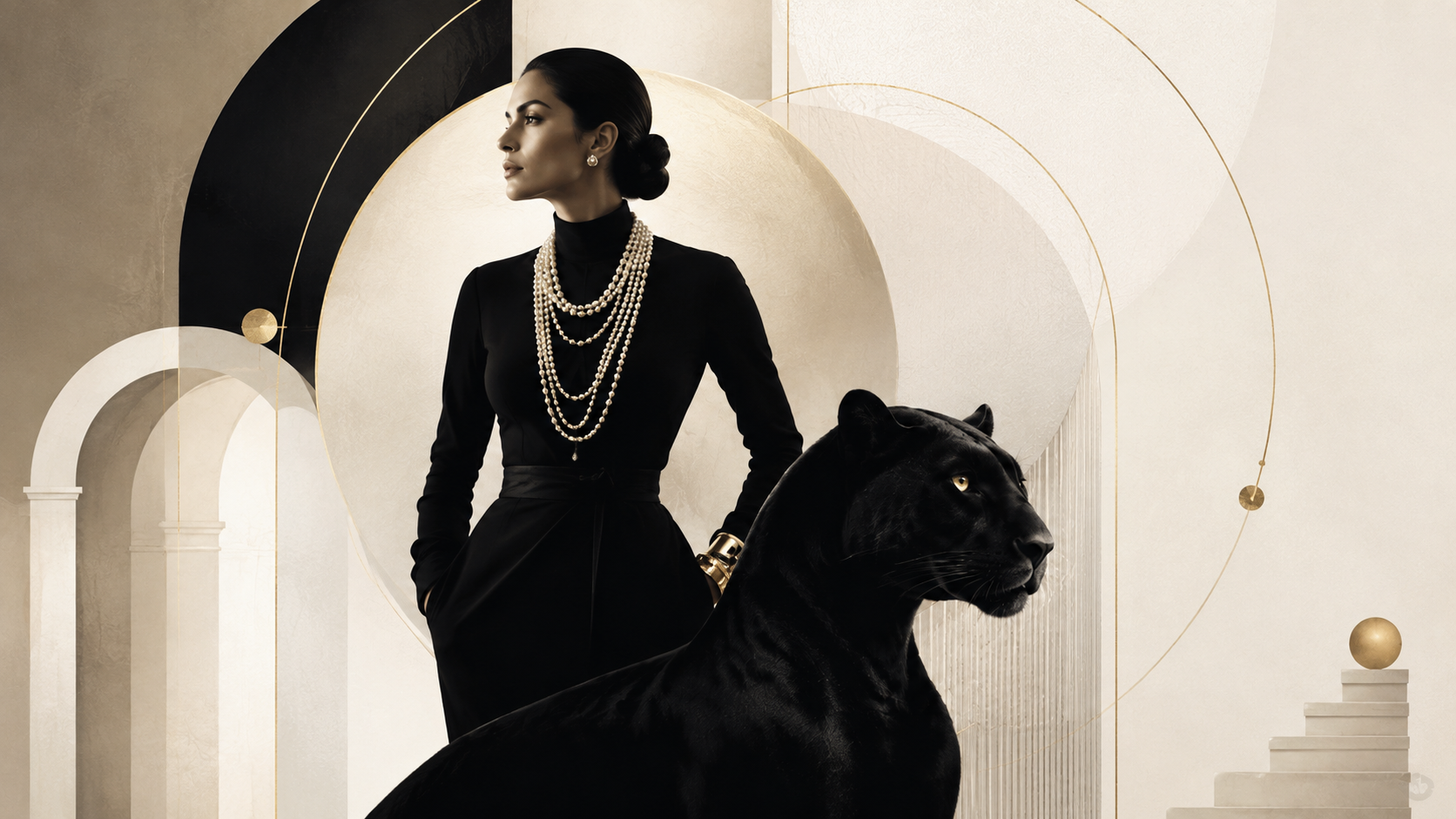
Your symbol must carry your soul
The most powerful symbols in branding were never designed to be symbols. They were chosen because something true lived inside them — and that truth, repeated with precision, became impossible to ignore.

The Hotel Room as Showroom
Marriott now sells the furniture, lighting and textiles from its hotel rooms. It's less about interiors than about letting the relationship with the guest continue past checkout — and about a question more brands should ask: what is it customers actually fall for in us?
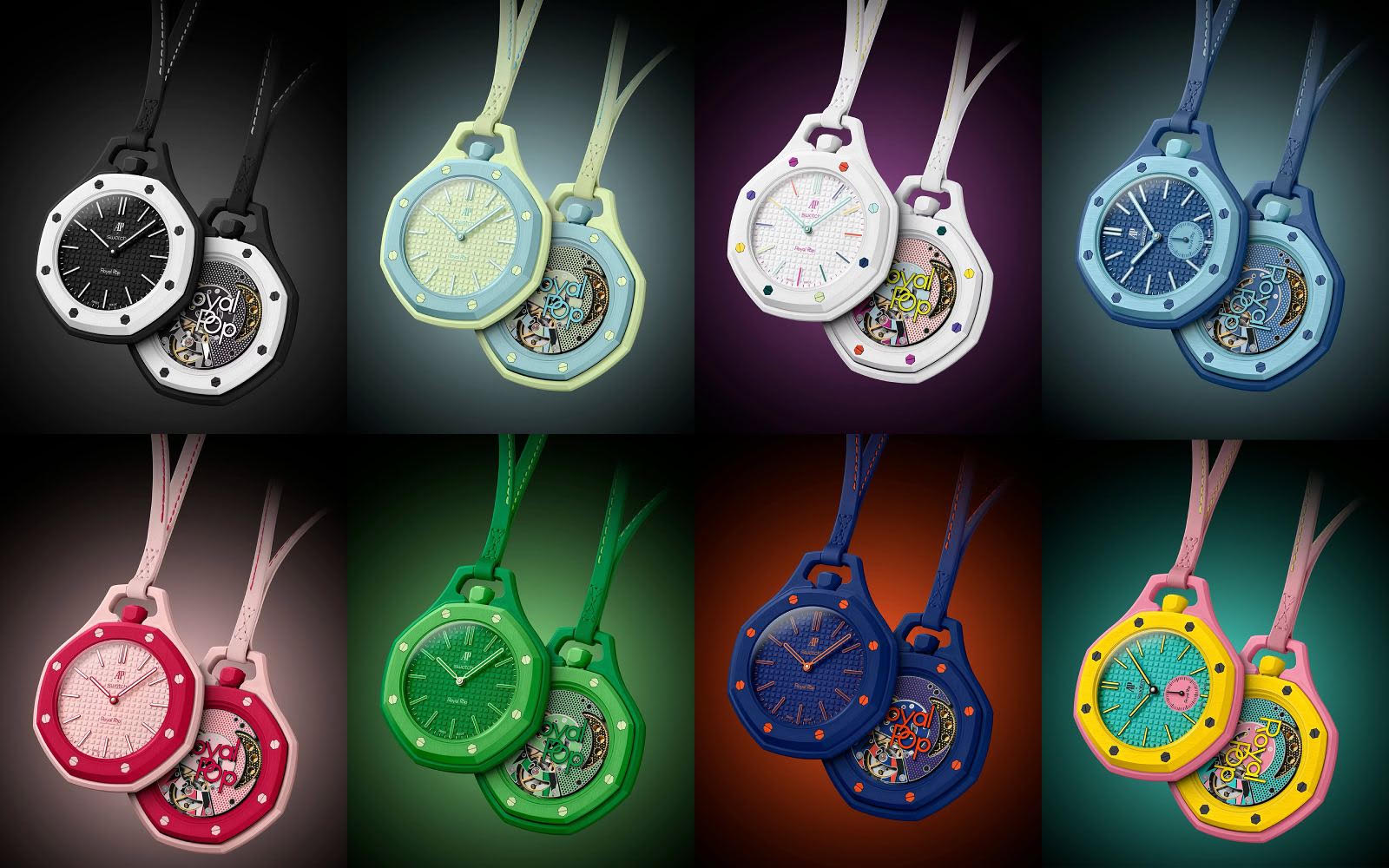
Swatch and the Case for Unlikely Partnerships
A collaboration that looks logical on paper rarely becomes something people talk about. Swatch and Audemars Piguet shouldn't belong together — which is exactly why Royal Pop works. The distance between two brands can be the whole point.
The future of brands in the premium segment
Premium is not getting louder. It is getting quieter, more deliberate, and far harder to fake. The brands that will define the next decade are not the ones with the biggest budgets — they are the ones with the clearest logic behind every decision they make.

When Does a Customer Relationship Actually Begin?
Tesco is letting 16- and 17-year-olds into Clubcard. It sounds like a detail, but it answers a question few brands ask: when does a customer relationship actually begin? Habits, preferences and belonging take shape long before the first full-time salary.

Chili’s comeback started by keeping things simple
Brand development is often about change. But sometimes the smartest thing a company can do is stop changing itself away from what it actually is.

What is your "why"?
He had everything: the suits, the speaking slots, the carefully curated presence. But when you met him, nothing stayed with you. A personal brand can be polished to a mirror finish and still communicate nothing.

The strongest brands don’t need to shout. They have a story.
You see an orange Hermès box and you know. You spot a certain watch on someone’s wrist and you know. Not because anyone has just explained every product benefit to you. But because the brand already carries a story you recognise.

Back to school with a new campaign
Intersport's back-to-school campaign this year is not really about school. It is about what sport gives a child that no classroom can — belonging, resilience, a reason to keep going.
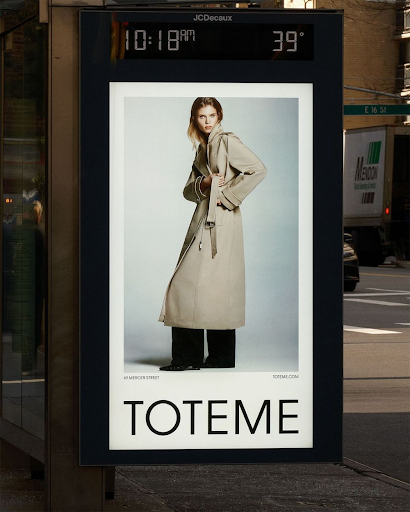
Brand development + growth = true.
TOTEME was named Growth Company of the Year at Retail Awards 2025 — and the timing is no coincidence. The Stockholm-founded label had grown steadily without once losing itself. That is not luck; it is discipline.
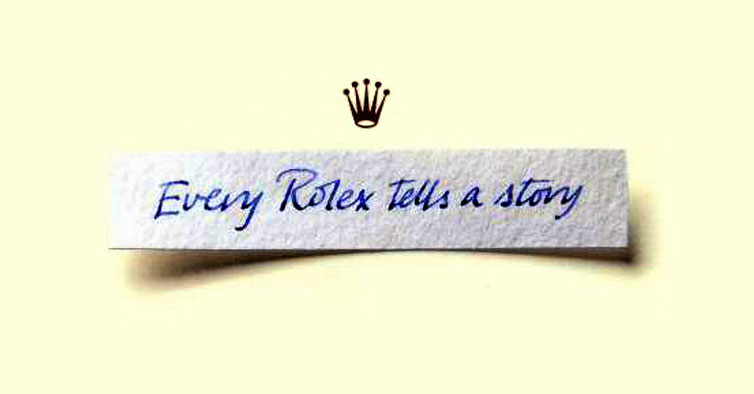
Every brand with soul tells a story
A product can be copied. A price can be matched. But a story, told with enough clarity and conviction, becomes nearly impossible to replicate. At BBMB, we have built our entire intake process around this truth: before we look at what a client sells, we look at where they come from. It is not always a comfortable starting point — but it is always the right one.

Stockholm challenges Silicon Valley – does your brand wear the right suit for capital?
Sweden’s capital has emerged as one of the world’s four most important hubs for venture capital – alongside Silicon Valley, New York, and London.
Payed content in a new shape and form
When a social media post can move markets in milliseconds, selling faster access to it is — logically speaking — a product. Trump Media now charges investors $100,000 a month for an early feed of the president's updates.

How to make a comeback when your personal brand completely crashed & burned.
Some personal brands don't just fade — they detonate. Joachim Posener's did, spectacularly, in the Trustor scandal. Netflix has now given the affair a second act, and with it a useful question: what actually rebuilds a reputation?
How to Create a Brand Persona
Most brands know what they sell. Far fewer know who they are. A brand persona is the decision to give your brand a coherent inner life, so every touchpoint feels like it came from the same source.
How to work on your personal brand during the holidays
Most people treat the holidays as a pause between one busy season and the next. But for anyone building a personal brand, the quiet months offer something rarer than productivity: perspective.
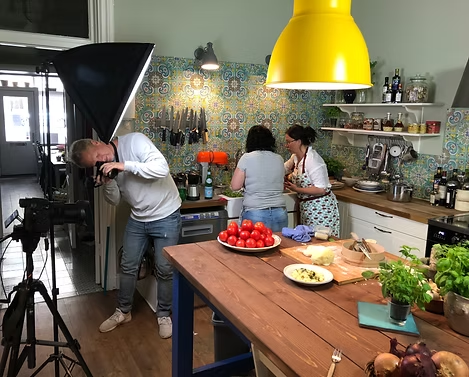
The story investors actually buy
A great raise is rarely won on metrics alone. It is won on a narrative the room can repeat.

Naming a company without losing your mind
A name does not need to explain everything. It needs to be ownable, sayable, and ready to grow into.

Visual identity is a system, not a logo
A logo is a single note. A visual identity is the whole piece of music your brand plays everywhere.

Founder visibility without burning out
You do not need to be everywhere. You need to be unmistakable in the few places that matter.
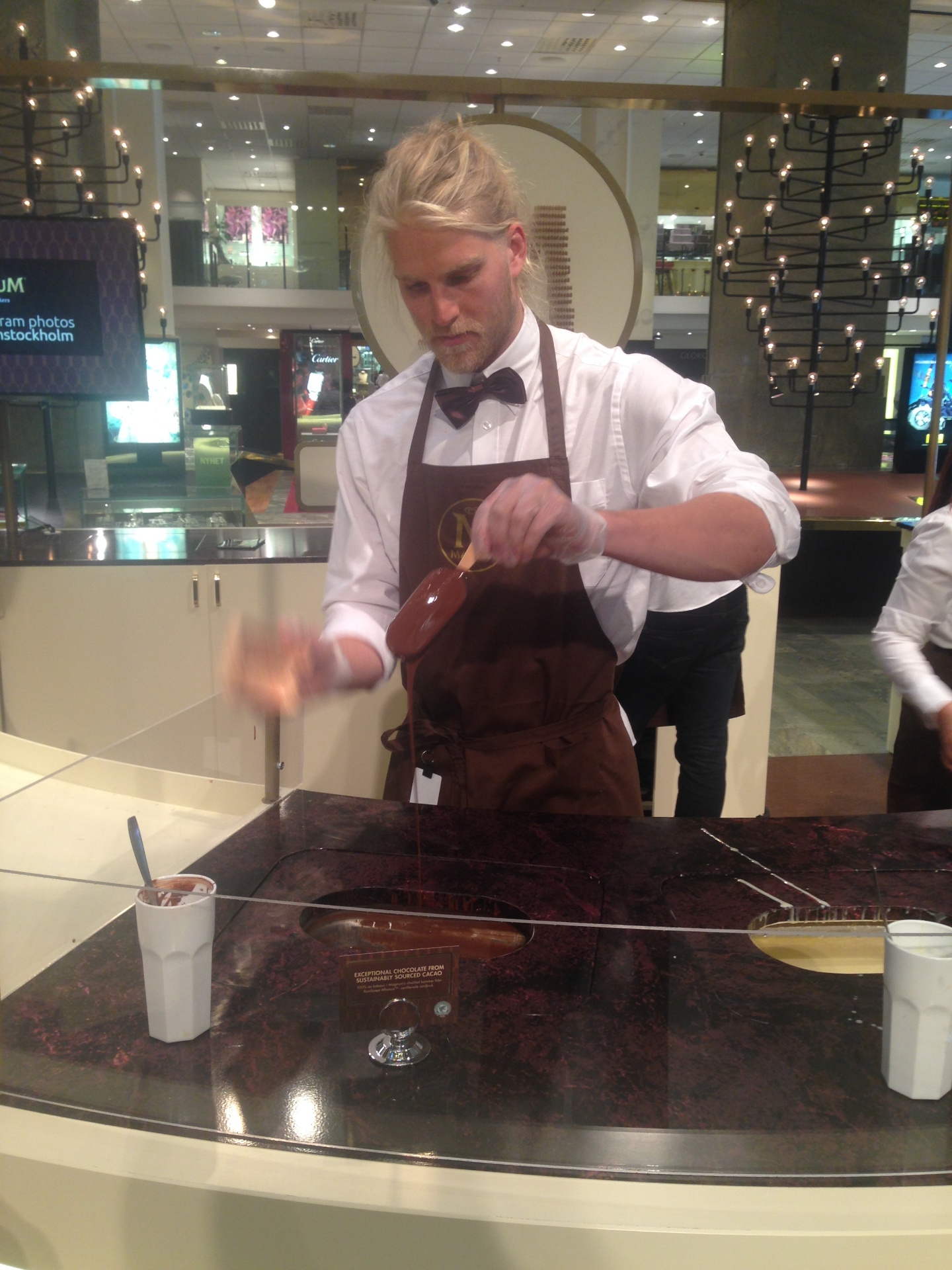
How brand lets you charge more
Price is a story customers tell themselves. A strong brand changes the story before they see the number.
Your pitch deck is a brand artifact
A deck is not a document. It is a forty-second first impression that decides whether you get the second meeting.
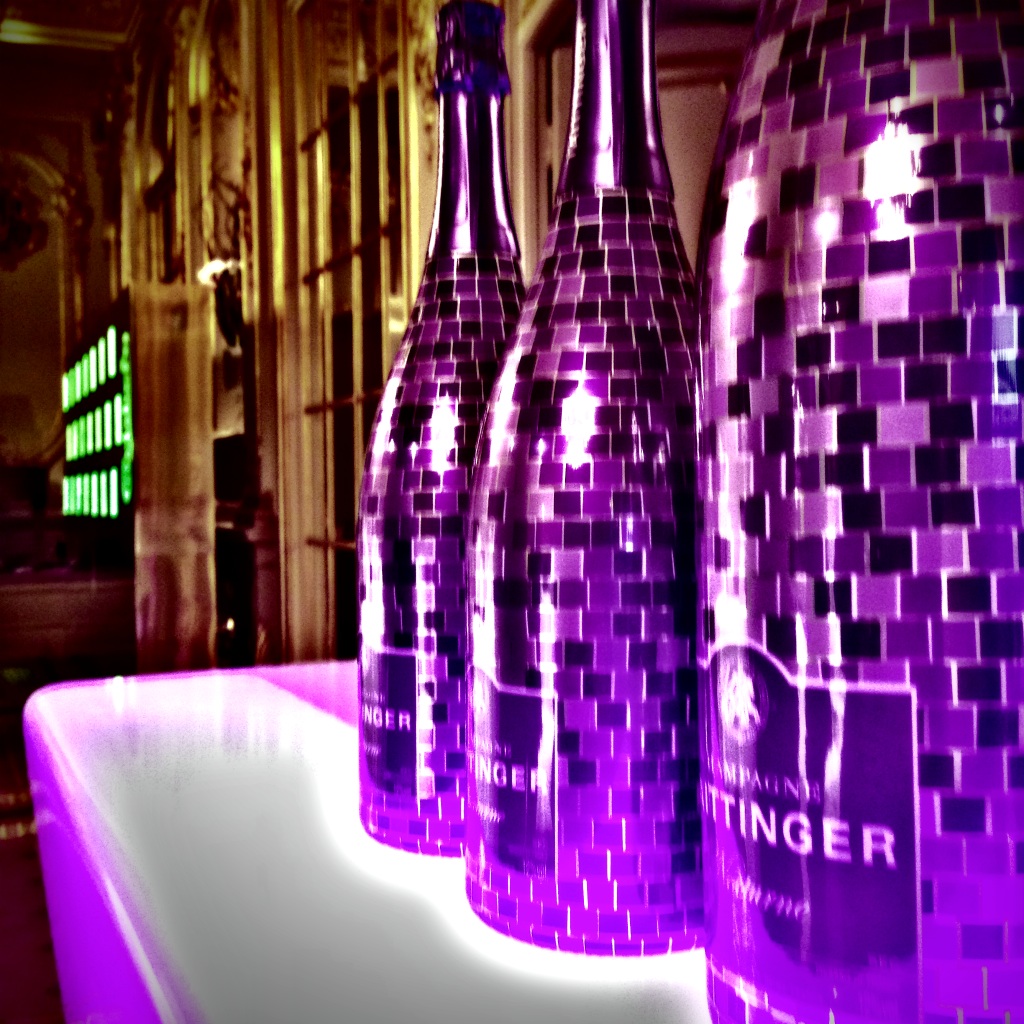
Rebranding without erasing your equity
The risk of a rebrand is not looking different. It is throwing away the recognition you already earned.
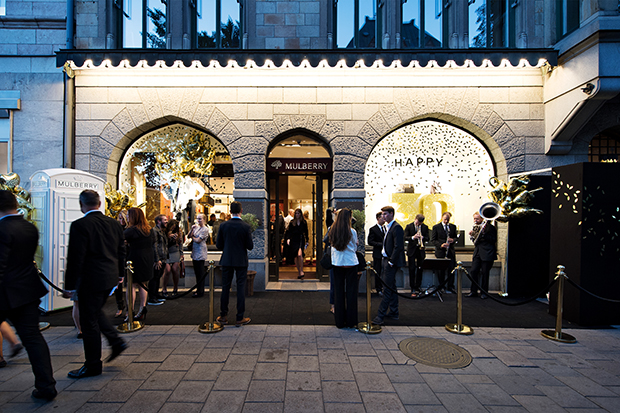
Finding a brand voice that sounds like you
Most brands sound the same because they copy the room. A real voice comes from having a point of view.

Launching with PR that actually lands
A launch is not an announcement. It is a story given to the right people at the moment they care.
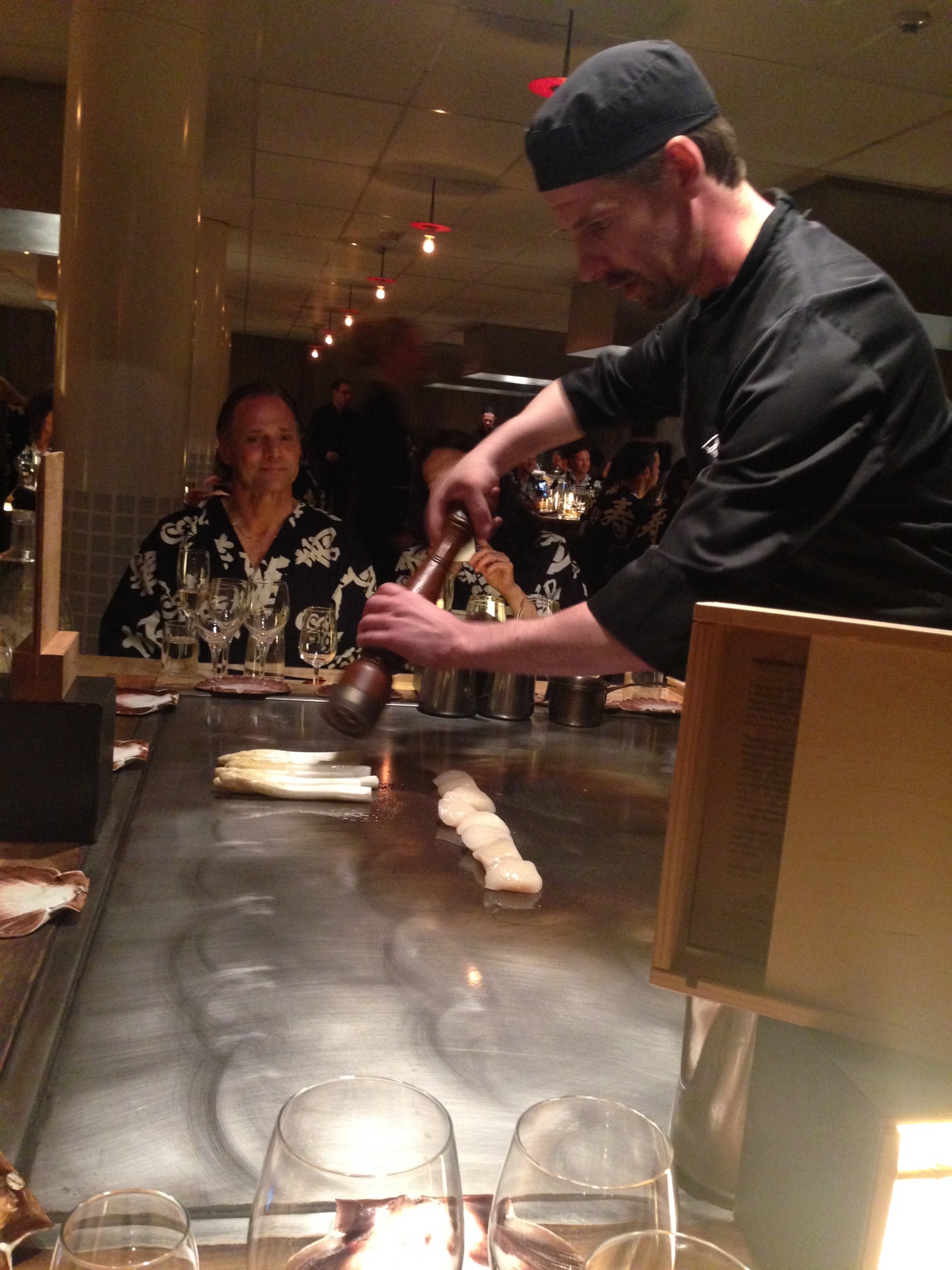
Standing out when everyone sounds the same
In a crowded market, the brave choice is to be specific. Trying to appeal to everyone appeals to no one.
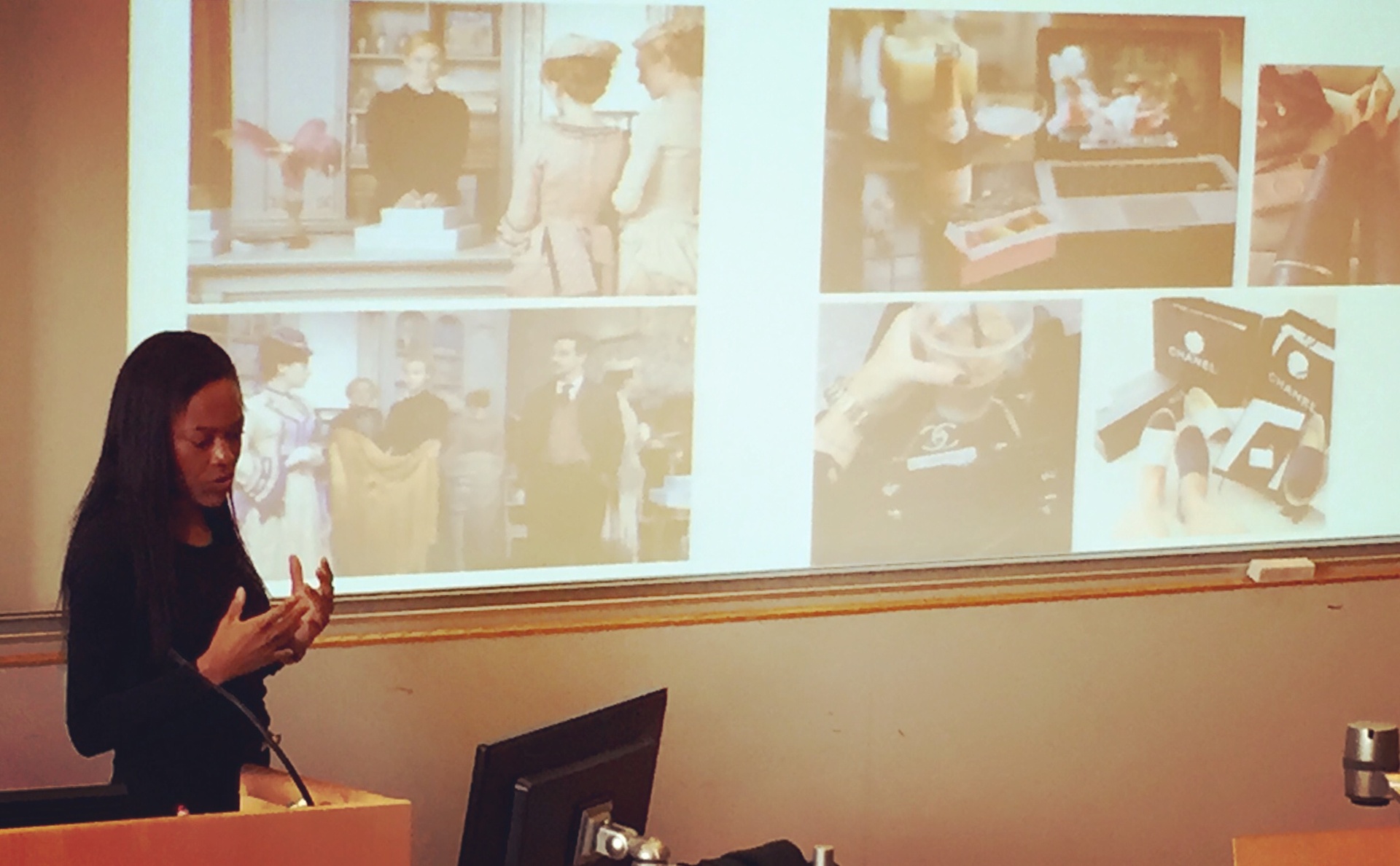
Executive presence is a brand decision
How a founder shows up in a room is not personality. It is a deliberate, learnable extension of the brand.