Lanch has turned influencers into restaurateurs — but the food has to outlive the fame
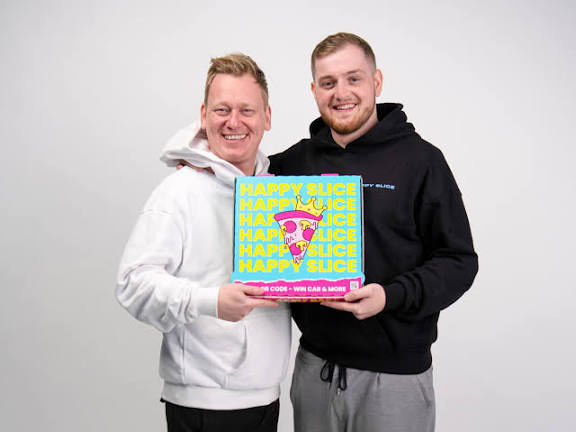
An influencer's followers can fill a restaurant for a week. What brings a guest back is something else entirely. Berlin-based Lanch builds food brands together with creators — and in doing so tests where attention ends and a brand begins.
When an influencer opens a restaurant, the reactions are fairly predictable. The fans want to go immediately, and everyone else wonders whether the burger is still interesting once the person behind it has stopped appearing in their feed. Berlin-based Lanch has built an entire company around that question, and features in Wired UK's selection of Europe's hottest startups.
Lanch works with creators and influencers to develop restaurant concepts and food brands. According to Wired, the company uses social media data to identify audiences and gaps in the market, then builds concepts together with profiles who already have large communities. This is not the old model, where a famous face turns up at the opening and gets photographed next to a hamburger — the creator is part of the brand build itself.
Followers have become a distribution channel
Lanch's business idea says a good deal about how consumer brands have changed. Traditionally, a new restaurant concept has to find a location, develop a menu, land on a name, buy marketing and hope somebody shows up. Lanch starts at the other end: the audience is already there.
That is efficient, but it is also risky. A strong personal brand can give a restaurant concept a flying start, yet the same connection becomes a liability if the food never develops an identity of its own. A customer might try it once because she follows the creator on TikTok; she comes back because the food, the room and the experience are good. That distinction is the whole point.
BBMB's recommendation: build two brands at once
BBMB would therefore treat every Lanch concept as two parallel brands. The creator's personal brand generates attention, personality and a first relationship with the audience, while the restaurant's own brand has to stand on its own feet — with a distinct flavour world, a visual identity and a reason to return even when the influencer is nowhere near the premises.
This makes the choice of creator decisive. Lanch should not select partners on reach alone, because a large audience does not automatically mean credibility in food, lifestyle or hospitality. BBMB works precisely with the interplay between company brands, personal brands and brand experiences, where every part has to reinforce the same position rather than compete for attention.
The next step should be fewer gimmicks and more restaurant
The long-term opportunity for Lanch is to get good at something most influencer businesses fail at: converting temporary attention into genuine consumer brands. If a Lanch concept is still appealing five years after launch, including to someone who has never heard of the creator behind it, the company has done the work properly.
Otherwise it becomes a very expensive meet-and-greet with a side of fries.